Your instructor just called out "half-halt into a collected trot." Every head in the arena nodded like they understood — except yours. Don’t worry. Every rider in that ring once stood in your spot, smiling and nodding while thinking, what on earth does that mean? Horses come with their own rich, sometimes confusing language. Learning it is half the fun of getting started.
This comprehensive glossary covers everything from body parts to arena commands. Whether you are a new student or looking to source gear from equestrian suppliers, understanding these terms is the foundation of the sport. We’ve organized this guide to be your go-to reference, simplifying the complex vocabulary used by trainers, vets, and top equestrian outfit manufacturers into plain English.
The Quick-Start Guide: Essential Terms for Day One
Horse riding has its own language, and mastering a few key terms before your first lesson makes a real difference. You'll feel safer and more connected in the saddle. Interestingly, most beginner instability comes not from poor balance, but from poor position cues—often caused by not wearing appropriate gear or misunderstanding instructions.
Start with these 5 terms on Day One:
Once you have this foundation, the rest of the glossary will start falling into place.
Horse Anatomy: Knowing the Animal Beneath You
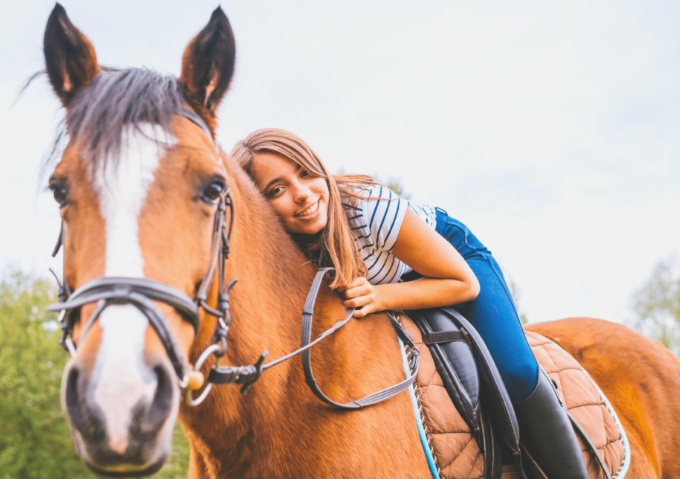
Here's the thing about horses—they're specific. Every bump and joint has a name, and knowing them makes you a safer rider. When equestrian clothing manufacturers design protective boots or saddle pads, they focus on these exact anatomical points. You need to know them too.
The Key Body Parts
Withers — The raised ridge where the neck meets the back. It's the highest point of the horse's spine. Saddle fitting starts here; a tree that doesn't match the withers creates pressure points.
Croup — The rounded top of the hindquarters. A well-angled croup (15–25°) gives the horse powerful hind drive.
Cannon Bone — The large bone running between the knee and the fetlock. It carries most of the leg's weight. Fractures here account for many forelimb injuries.
Fetlock — The joint sitting between the cannon bone and the pastern. At a trot, this joint takes on about 60% of the horse's weight.
Pastern — The sloping section between the fetlock and the hoof. Poor angles here reduce shock absorption.
Frog — The V-shaped, rubbery wedge on the bottom of the hoof. It absorbs shock and pumps blood back up the leg.
Near Side vs. Off SideThis distinction is vital for safety and is a standard term used by wholesale equestrian clothing distributors when designing asymmetrical gear.
Horse Types, Ages & Sizes
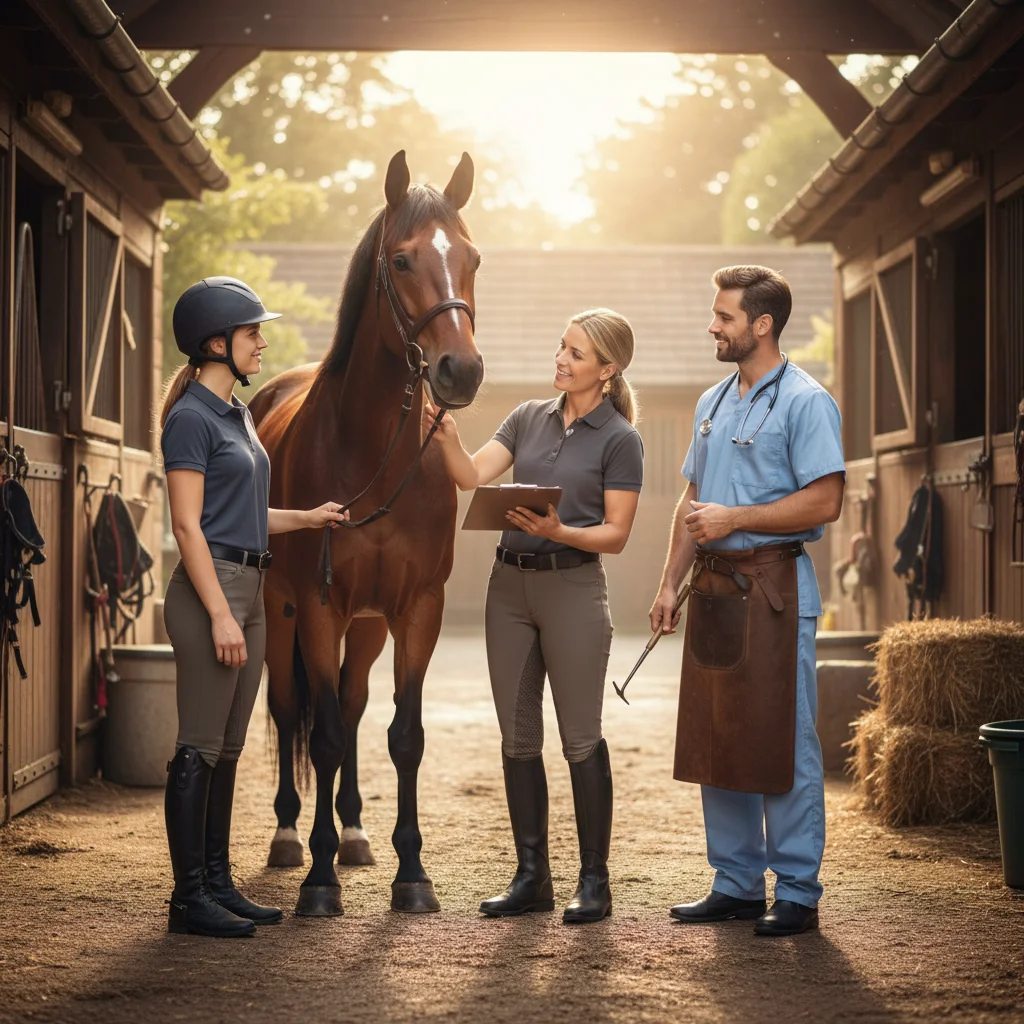
Step into any barn, and you'll hear terms describing the horse's age, sex, and training level. This vocabulary clicks into place fast.
Age & Sex Terms
A Foal is a nursing youngster (under 1 year). A Yearling is between 1-2 years old—often leggy and opinionated. A Colt is an uncastrated male under 4, while a Filly is a female under 4. Once they mature (4+ years), a male is a Stallion (uncastrated) or a Gelding (castrated), and a female is a Mare. For beginners, a Gelding is often the best friend you can have—calm and consistent.
Measuring Height
Horses are measured in hands (hh). One hand equals 4 inches, measured from the ground to the withers.
Training LevelsYou might hear a horse described as Green (minimal training, not for beginners) or a Schoolmaster. A Schoolmaster is a seasoned, patient horse built to teach riders. If you are looking into private label equestrian clothing or gear for a riding school, you are likely outfitting riders on Schoolmasters.
The Four Gaits Explained
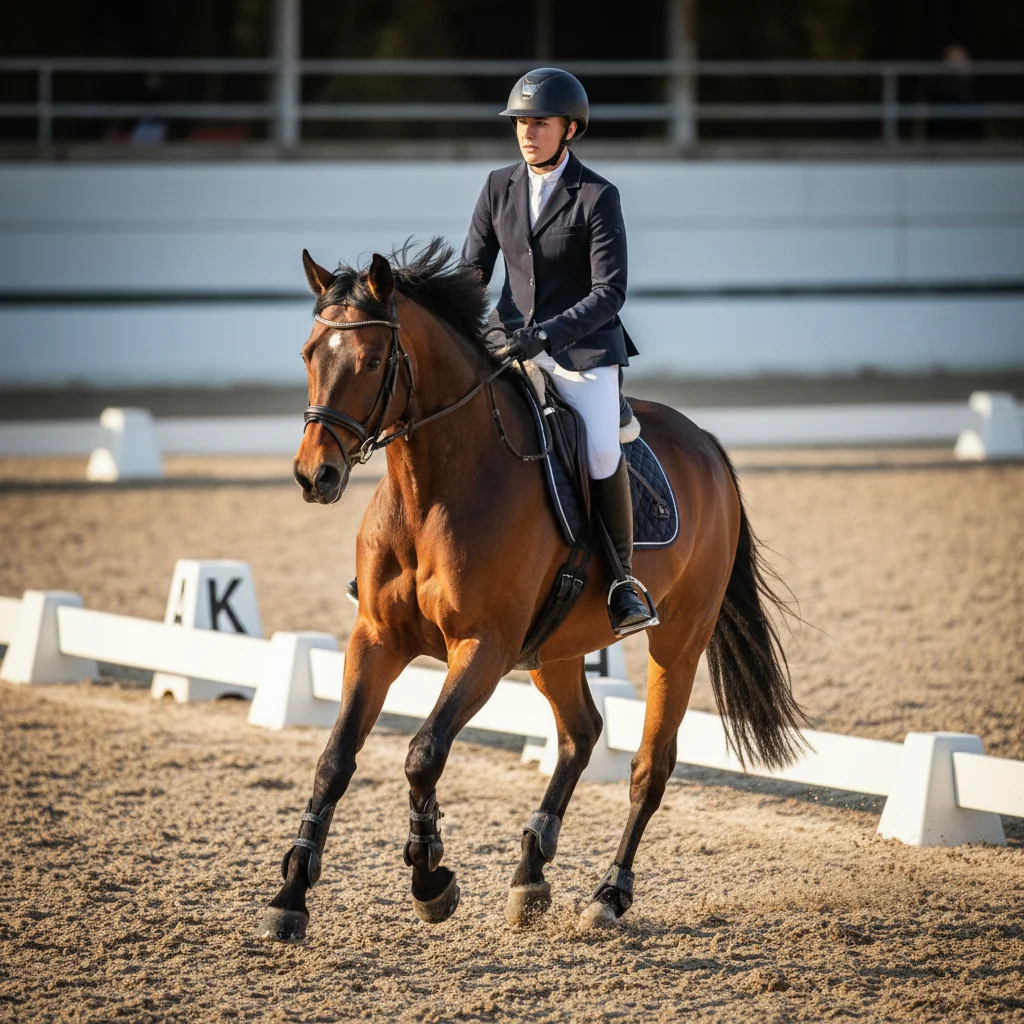
Your instructor talks about movement constantly. Everything traces back to four gaits. Leading equestrian manufacturers study these movements to create breeches and saddles that move with the rider.
Riding Position & Aids
Riding isn't about gripping tight; it's about communication via "aids."
Understanding Aids
Seat PositionsYou will use a Full Seat (bottom in saddle) for flatwork, which constitutes 80% of riding. The Two-Point (forward seat) lifts your weight off the saddle for jumping or galloping. Quality breeches from top equestrian clothing manufacturers often feature silicone grips to assist in maintaining these positions without sliding.
Tack & Equipment Glossary
The tack room is full of straps and leather. Whether you buy from local shops or order from wholesale equestrian clothing and tack suppliers, knowing these names is non-negotiable.
The Core Essentials
Saddle: The seat for the rider. English saddles are flat and close; Western saddles have a deep seat and a horn. Fit is critical to prevent pressure points.
Stirrups: Metal irons for foot support. Keep your knee at a 90-degree angle.
Girth / Cinch: The strap holding the saddle on. English riders say girth; Western riders say cinch. Always check for tightness.
Bit & Reins: The metal mouthpiece (like a snaffle) connects to the reins, which go to your hands. Soft hands allow for better communication.
Halter & Lead Rope: Used for grooming and leading, never for riding. Always use a quick-release knot when tying a horse.
Auxiliary GearYou might see Bell Boots to prevent overreaching (hooves clipping each other) or a Martingale to control head carriage. Riders also use custom equestrian clothing like Chaps (leather leg covers) for protection. When selecting gear, many professionals opt for custom equestrian outfit options to ensure the perfect fit and durability.
The Arena, Disciplines & Competition
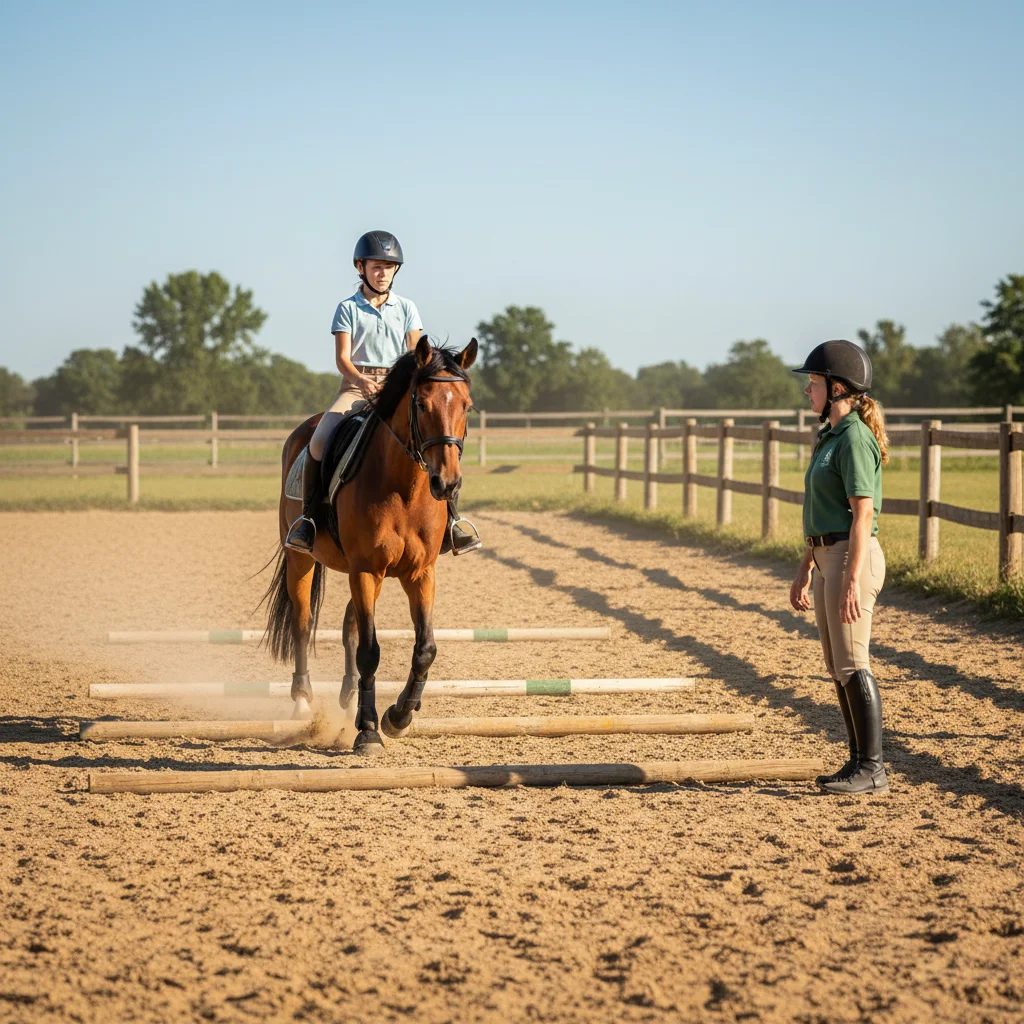
The arena is your classroom. Standard size is usually 20x40 meters or 20x60 meters. Directions are key: lessons usually run counter-clockwise (left rein) and you pass other riders "left shoulder to left shoulder."
Understanding Disciplines
Different riding styles require different skills and gear, often sourced from specific equestrian manufacturers.
Horse Care, Health & Conclusion
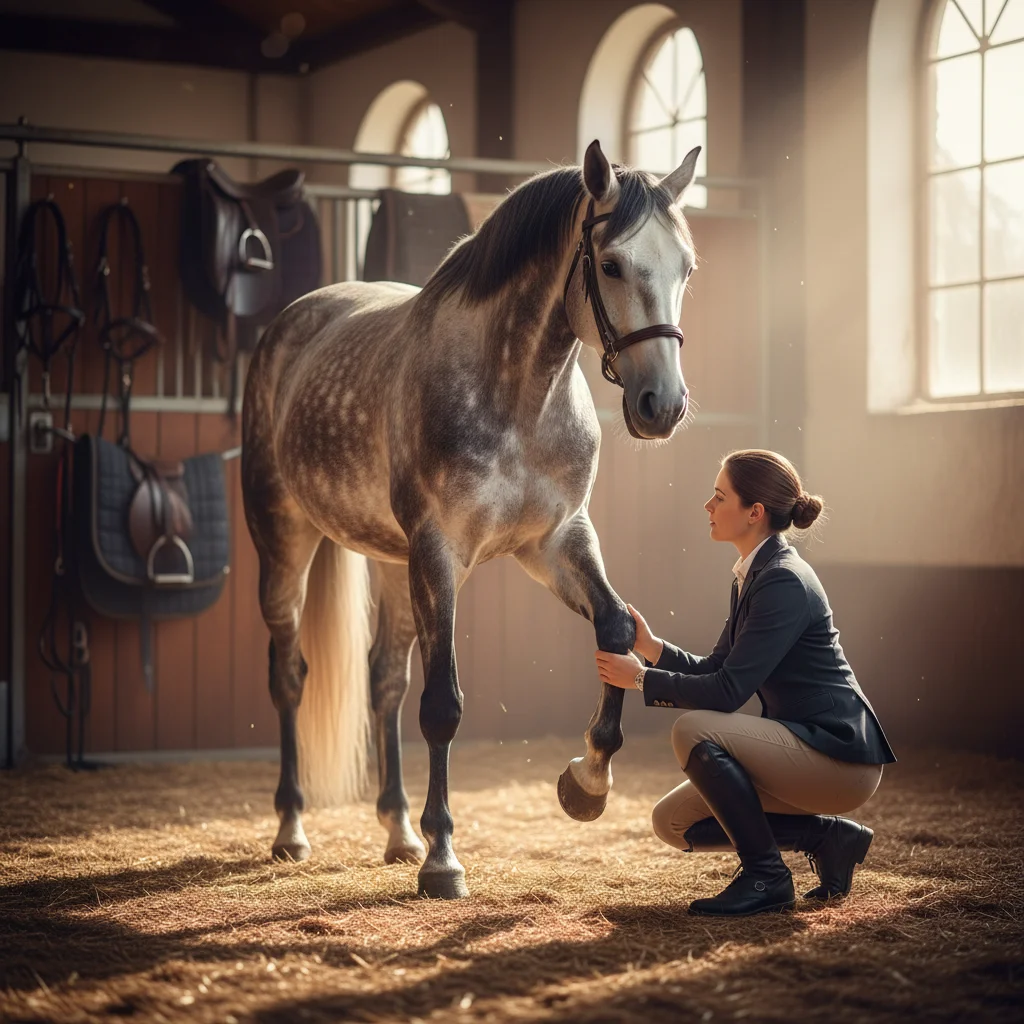
A healthy horse is a willing partner. Riders must know TPR (Temperature, Pulse, Respiration).
Watch for Laminitis (hoof inflammation) and ensure the Farrier trims hooves every 6–8 weeks. Horses need Turnout (time loose outside) to keep their minds and bodies healthy.
Conclusion
You’ve worked through the building blocks of the equestrian world. From the withers to the half-halt, understanding this language is the first step toward confidence in the saddle.
As you progress, you will likely start looking into your own gear. Whether you are browsing equestrian suppliers for your first grooming kit, or working with private label equestrian clothing brands to outfit a team, the terminology remains the same. The bond between horse and rider is built on communication—and now, you speak the language.
Bookmark this glossary. The horses are patient teachers, and with the right knowledge (and perhaps some great gear from equestrian outfit manufacturers), you are ready for the ride.