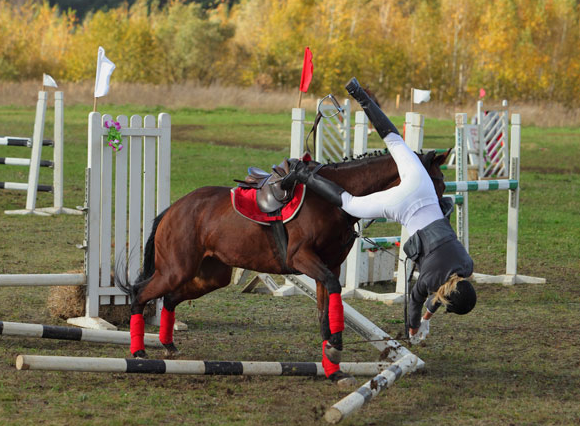
Every year, thousands of riders suffer preventable head injuries. The problem isn't necessarily that they skip helmets—it's that those helmets don't fit right. You might think strapping on a helmet is simple, but there's a massive difference between simply wearing a helmet and wearing it the right way.
As experienced equestrian manufacturers, we know that safety gear is only effective when positioned correctly. That's where the 2-2-2 rule comes in. This simple formula uses just your fingers to ensure your helmet offers maximum protection. Whether you are sourcing from equestrian suppliers for a riding school or buying your first piece of gear, understanding this rule could save a life.
Maybe you're a parent adjusting a child's helmet, or a retailer looking for a reliable wholesale riding helmet solution. In either case, this three-part positioning system transforms a helmet from decorative headgear into a legitimate safety device. In this guide, we will break down exactly how to apply the 2-2-2 rule, why specific measurements matter, and how to spot a "false fit."
Understanding the 2-2-2 Rule: The Foundation of Safety
The 2-2-2 rule is your personal safety checklist—no tape measure needed. It relies on three specific finger-width measurements to ensure the helmet sits on the "sweet spot" of the skull. This rule applies regardless of whether you are wearing a generic schooling helmet or a high-end custom equestrian helmet.
1. Forehead Position (The First "2"): Your helmet brim should sit two fingers' width (about 1 inch) above your eyebrows. Position it too high? Your forehead remains exposed to impact. Too low? You block your vision and leave the back of your skull vulnerable. The helmet must sit level, not tilted back like a baseball cap.
2. Side Strap V-Shape (The Second "2"): The side straps must form a V-shape just below your ears. You should be able to fit two fingers between the straps and your ear, ensuring the straps frame the ear without pinching or sitting loosely behind the jaw.
3. Chin Strap Tension (The Third "2"): Once buckled, you should fit only two fingers (stacked flat) between the strap and your chin. Fitters call this "Goldilocks tension." It needs to be tight enough to hold during a fall, but loose enough to breathe and speak. If you see riders with loose straps flapping in the wind, they are essentially riding unprotected.
The best equestrian clothing manufacturers design helmets to work with this fit. If the helmet slides around after you have applied these rules, the size is wrong, no matter how much you tighten the straps.
The Step-by-Step Fitting Process
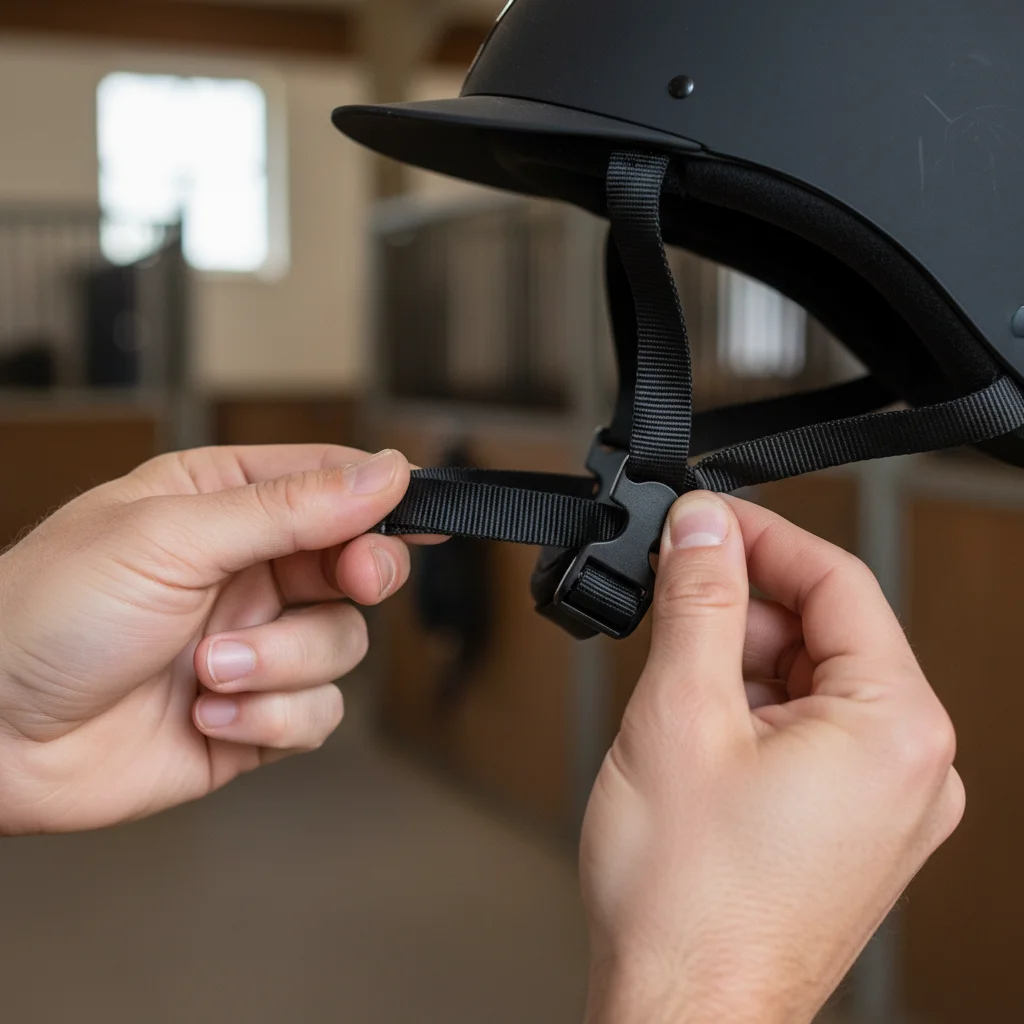
Knowing the theory is one thing; applying it is another. Follow this fitting ritual every time you put on a helmet or when selecting inventory from wholesale equestrian clothing catalogs. A few minutes of adjustment ensures the gear works as intended.
Step 1: Establishing the Forehead Line
Place two fingers flat against your forehead, directly above your eyebrows. The helmet's front rim should rest firmly on top of your upper finger. This about one inch (2.5 cm) gap protects the frontal bone. If you can fit three fingers, the helmet is too high. If it touches your eyebrows, it's too low. Check the sides as well—run your hands along the rim to ensure the helmet is level parallel to the ground, not tipped forward or back. Reputable equestrian suppliers will always emphasize this level positioning.
Step 2: Locking in the V-Straps
Unlike simple hats, riding helmets rely on a complex retention system. Locate the sliders on the side straps. Adjust them so the straps form a distinct V-shape that sits just below and in front of your ears. The junction point should not be on your jawline or temple. If the helmet rocks forward into your eyes, tighten the back strap. If it tips backward, shorten the front strap. This triangulation is crucial for stability during side impacts, a detail often highlighted by top equestrian outfit manufacturers.
Step 3: Securing the Anchor
Fasten the chin strap. Slide one or two fingers flat against your chin under the strap. You should feel resistance. To test, open your mouth wide in a yawn; the helmet should pull down slightly on your head. If there is no pressure, it's too loose. Research shows that loose straps significantly increase the risk of the helmet coming off during a fall. Quality OEM/ODM services in helmet manufacturing ensure these buckles can withstand high-force impacts, but only if adjusted correctly.
Need Custom Equestrian Apparel?
Partner with Run Equestrian for premium riding gear that complements your safety equipment.
Critical Safety Tests: Don't Just Assume It Fits
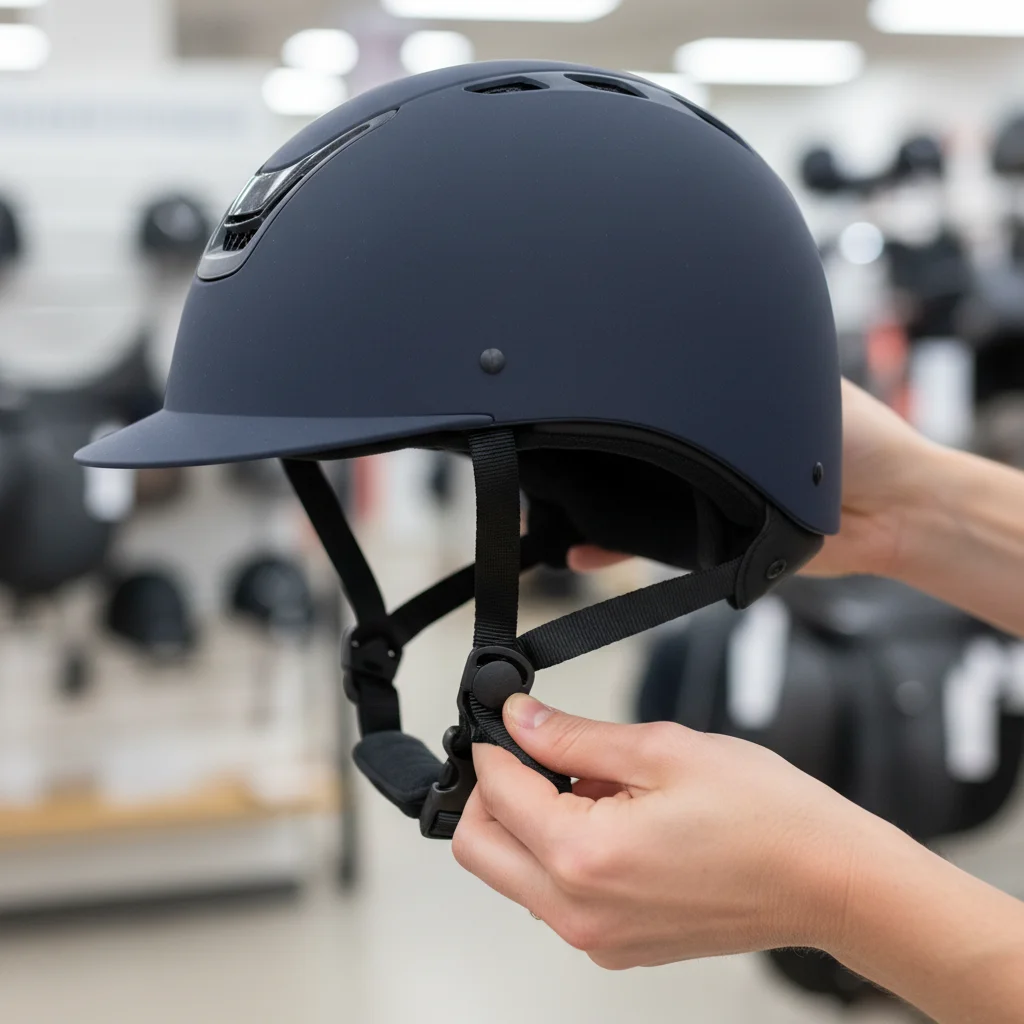
Your helmet might look correct in the mirror, but does it truly grip your head? Before mounting up, perform these three physical checks. These tests are standard protocol recommended by safety experts and premium equestrian clothing manufacturers.
The Eyebrow Movement Test
Shake your head side to side. Watch your eyebrows in a mirror. When the helmet moves, the skin on your forehead should move with it. If the helmet slides over your skin like a separate entity, it is too loose. A proper fit effectively locks onto the skull base. This is why getting a precise size is vital when ordering a custom equestrian helmet.
The Palm Push Test
Place your palm on the front edge of the helmet and push up and back. The helmet should move one inch maximum before the skin on your forehead stops it. If you can push the helmet back enough to expose your forehead, the chin strap is too loose or the helmet shell is too big. Repeat this by pushing up on the back edge—the front shouldn't drop down over your eyes.
The Stability Shake
Lean forward and shake your head vigorously. Jump up and down. If the helmet shifts, rotates, or slides, it fails the test. A loose helmet is dangerous. Even if you bought a wholesale riding helmet batch for a school, every individual student needs a helmet that passes this stability check.
Common Mistakes and How to Avoid Them
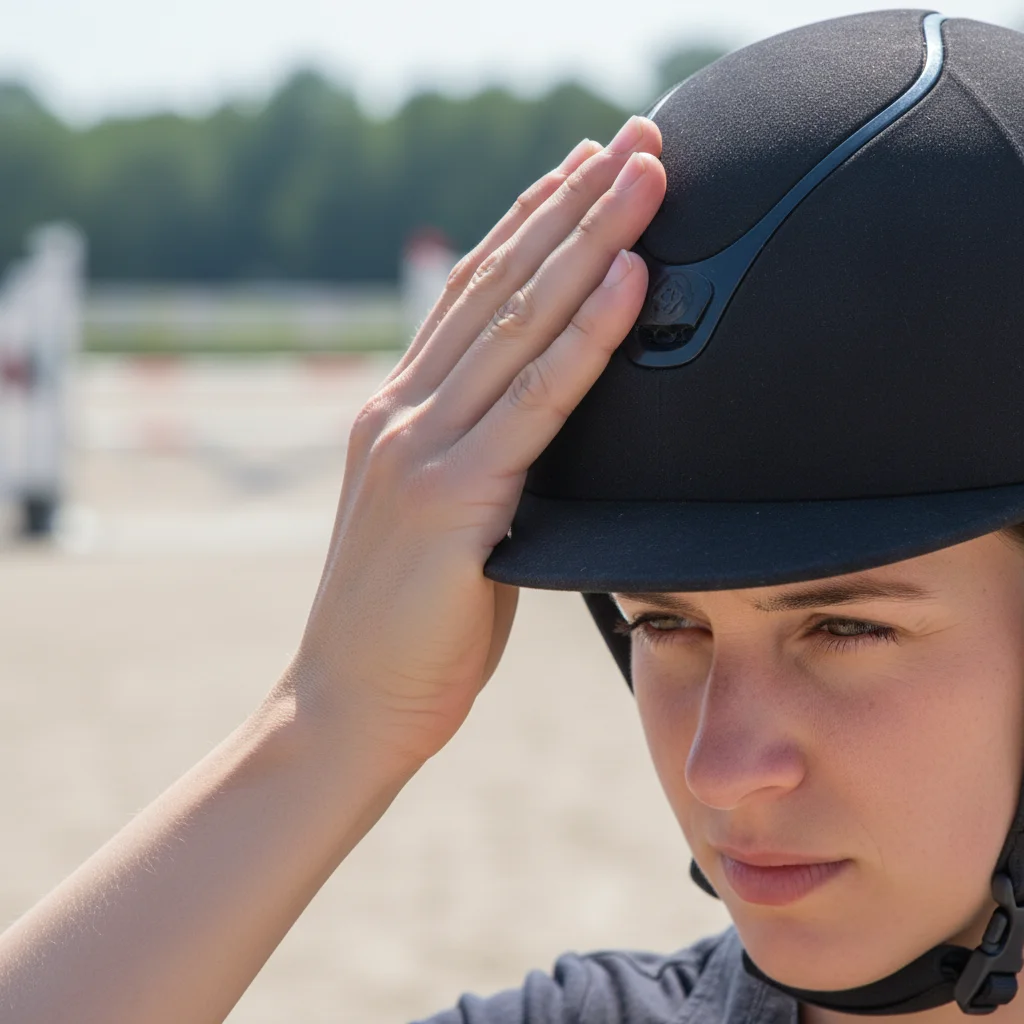
Even experienced riders make fitting errors. These mistakes can negate the protective engineering provided by equestrian manufacturers.
The "Perched" Look
Many riders wear their helmets too high, exposing three or four fingers of forehead. They feel this is less restrictive, but it leaves the frontal lobe vulnerable. Always adhere to the strict two-finger limit. This is non-negotiable for safety.
The Tilted CapTilting the helmet back like a sun hat or forward like a cycling helmet misaligns the impact-absorbing foam. The helmet must be level. If you are a retailer sourcing wholesale equestrian clothing and accessories, educating your customers on this level fit is part of responsible selling.
Twisted Straps
It seems minor, but twisted webbing creates pressure points and reduces the strap's surface area during an impact. Always smooth out the straps. Quality equestrian clothing factory production lines use UV-resistant nylon, but user care is required to keep them flat.
The "Room to Grow" MythNever buy a helmet that is too big for a child hoping they will grow into it. A loose helmet is a useless helmet. If you need a specific fit, look for a custom equestrian outfit provider or helmet specialist who can advise on adjustable sizing liners, but the shell must fit today.
Looking for Wholesale Riding Apparel?
Explore our OEM/ODM services for custom breeches, jackets, and competition wear.
Certifications: What Equestrian Suppliers Must Provide
Not all helmets are created equal. When browsing catalogs from equestrian outfit manufacturers, you must look beyond the aesthetic and check for safety seals. Certification stamps prove that independent labs have tested the gear against crushing, dropping, and penetration.
ASTM F1163 with SEI (US Standard): The baseline for American riding. Ensure you select ASTM certified riding helmets (F1163-15 or newer). This standard covers impact absorption and strap strength. Older versions are no longer competition-legal.
Snell E2021: The strictest standard, used by very few manufacturers due to its rigorous crush and anvil testing. It offers the highest protection levels available.
PAS 015 & VG1 (European Standards): These require higher drop tests and crush resistance than ASTM. Many global equestrian clothing manufacturers produce helmets that are triple-certified (ASTM + PAS + VG1) to ensure they can be sold in all markets.
When offering OEM/ODM services, factories must ensure their products meet these specific regional standards. A generic "CE" mark is not enough; look for the specific standard number (e.g., EN 1384, PAS 015) printed on the label.
Special Considerations for Different Riders
Fit isn't "one size fits all." Different riders have unique needs that reputable equestrian manufacturers try to accommodate.
Children: Kids grow fast. Check their fit every few weeks. If the helmet rocks more than an inch, replace it. Do not rely on thick padding to fix a shell that is too large. Safety is the priority.
Glasses and Hearing Aids: Riders with glasses should put their frames on before the helmet. The arms should slide in without painful pressure. If you have hearing aids, ensure the V-straps frame the ear without pressing the device against your head. You may need to adjust the slider position slightly.
Long Hair: This is a major issue for fit. A high bun will lift the helmet off the forehead, breaking the 2-2-2 rule. Wear your hair in a low pony or flattened braids at the nape of the neck. When ordering a custom equestrian outfit or helmet, always measure your head with your hair closest to how you ride.
Why Partner with RunEquestrian?
Finding the right gear requires a partner who understands the industry inside and out. RunEquestrian is a leader among equestrian outfit manufacturers. Since 2009, we have built a reputation for excellence, crafting premium apparel for over 200 global brands across 30+ countries.
We are more than just a standard equestrian clothing factory. Our 5,000-square-meter ISO-certified facility specializes in high-performance wholesale equestrian clothing and custom equestrian clothing. While we do not manufacture helmets directly, our expertise in rider biomechanics informs every piece of apparel we create, ensuring that your breeches and jackets fit as perfectly as your safety gear.
Our Core Competencies Include:
Comprehensive OEM/ODM Services: We transform your design concepts into reality using 500+ rider body data points.
Premium Quality Control: Why risk your brand reputation? Our defect rates are under 0.3%, far below the industry average of 2-5%.
Custom Solutions: Whether you need a custom equestrian outfit for a team or a line of wholesale riding helmet covers and accessories to match, we deliver consistency.
Advanced Materials: We utilize over 50 riding-specific fabrics that offer 30% better sweat-wicking than standard polyester, catering to the needs of modern equestrian suppliers.
When you choose a custom equestrian clothing partner, you need reliability. We offer seven-stage quality checks, from stretch tests to color fade analysis. Keep your riders safe with proper helmets, and keep them riding in style with RunEquestrian.
Ready to Start Your Order?
From 300 pieces MOQ, get premium custom equestrian clothing with 15+ years of expertise.
Conclusion
Your helmet is the most critical piece of equipment in your tack trunk, but it is only effective if it fits correctly. The 2-2-2 rule transforms the complex task of helmet fitting into a simple, repeatable system. By ensuring two fingers fit above the brow, forming a V at the ears, and allowing just two fingers under the chin, you drastically reduce the risk of injury.
Before your next ride, run through the safety checks. If your current gear fails the test, it's time to visit your local equestrian manufacturers or retailers for an upgrade. Don't compromise. Whether you are a rider seeking a custom equestrian helmet fit or a business looking for equestrian clothing manufacturer partners to expand your range, prioritize safety standards and correct positioning above all else.
Ready to elevate your equestrian brand with high-quality apparel? Contact RunEquestrian today. From wholesale equestrian clothing to bespoke OEM/ODM services, we provide the quality your customers deserve.